
Can Gymnastics Help Kids Focus Better in School?

If your child struggles to sit still during homework or seems distracted in class, you’re not alone.
Many parents search for real solutions that support both behavior and learning. A common question is whether gymnastics and focus in school are connected.
The answer may surprise you. Movement plays a bigger role in attention than most people realize.

What Does “Focus” Really Mean for Kids?
When teachers talk about focus, they often mean:
Listening to instructions
Following multi-step directions
Waiting patiently
Staying engaged in an activity
Managing frustration
These skills don’t develop overnight. They grow over time — and movement can support that growth.
Why Physical Activity Helps Attention
Children are not built to sit for long stretches without moving. Their bodies need regular physical activity to regulate energy and emotions.
Research shows that physical activity can help children:
Improve attention span
Develop better self-control
Increase body awareness
Reduce restlessness
Feel more confident
When kids move consistently, they often return to seated activities feeling more balanced.
This is where gymnastics becomes especially helpful.

How Gymnastics and Focus in School Connect
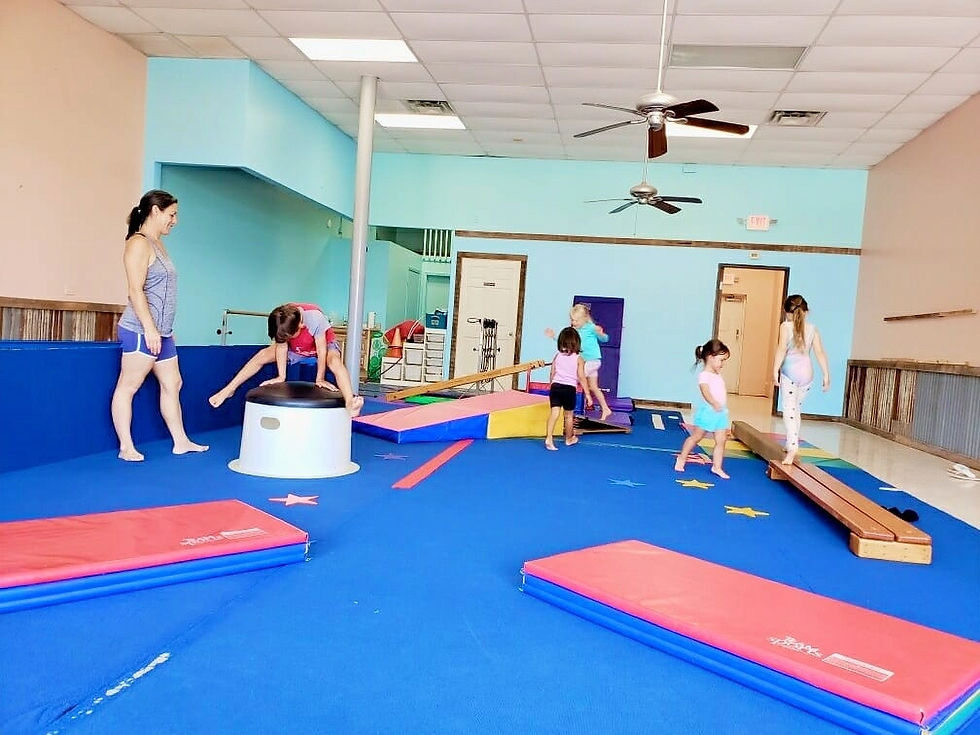
Gymnastics naturally combines structure with movement. In every class, children practice:
Listening carefully to a coach
Moving through stations in order
Waiting for their turn
Remembering sequences
Trying again after mistakes
These same habits transfer directly to the classroom.
At Pathways Gymnastics, classes are designed to support both physical development and personal growth. Children learn routines, sequencing, and self-control in a positive and encouraging environment.
Over time, this structured movement can support stronger classroom behavior and improved attention.
Signs Movement May Be Benefiting Your Child
Parents often notice small but meaningful changes after consistent participation in gymnastics programs:
Homework feels less stressful
Bedtime routines improve
Kids seem calmer after class
Confidence increases in social situations
Teachers report better listening
Every child is different, but steady participation in structured physical activity can make a difference.
Weekly Programs vs. Camps: What’s the Difference?
If you’re exploring options, it helps to understand how programs and camps support focus in different ways.
Weekly Gymnastics Programs
Provide consistency and routine
Build skills gradually
Reinforce listening and sequencing every week
This steady structure is especially helpful during the school year.
Gymnastics Camps
Offer longer periods of movement
Help during school breaks
Provide variety and social interaction
For high-energy kids, camps can be a great way to stay active when regular routines change.
You can explore current gymnastics programs and upcoming camps to see what fits your child’s needs and schedule.
Is Gymnastics the Only Way to Improve Focus?
No single activity solves everything.
Sleep, nutrition, outdoor play, and screen balance all matter. But structured movement is often an important piece of the puzzle.
For many families, gymnastics becomes a healthy outlet that supports both physical development and classroom growth.
Ready to See If It’s a Good Fit?
If you’re curious whether structured movement could support your child’s focus in school, observing a class or trying a program can be a simple next step.
You can learn more about Pathways’ gymnastics programs and camps to see what feels right for your family. And if you’re still researching, that’s completely okay. We’ll continue sharing helpful guides for parents navigating child development, movement, and confidence.
Stay tuned for more blog resources coming soon.


Comments